Inside the Digital Shift: How Virtual Tables Have Transformed Social Dynamics for Poker Players in Finland's Remote Communities
Parker Lang · Aug 26, 2026
Inside the Digital Shift: How Virtual Tables Have Transformed Social Dynamics for Poker Players in Finland's Remote Communities
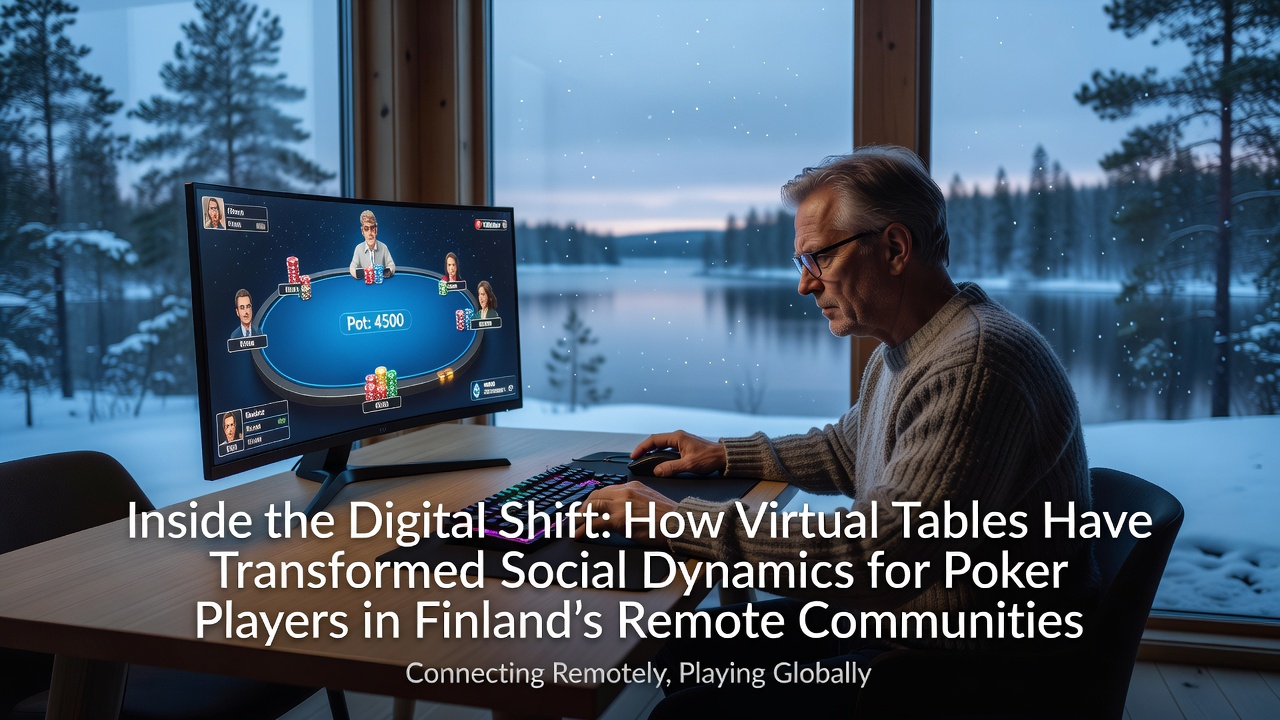
Remote regions across Finland, including areas in Lapland and eastern border zones, have long hosted tight-knit poker groups that relied on physical gatherings in community halls or private homes, yet broadband expansion since the early 2010s has opened pathways for virtual tables that connect players without requiring travel over long distances, and data from national statistics offices shows participation rates in online formats rising steadily through the 2020s.
Infrastructure Changes and Access Patterns
High-speed internet rollout programs funded by the Finnish government reached more than 95 percent of households in sparsely populated municipalities by 2025, which allowed residents in places like Inari and Kuhmo to join international poker platforms from their living rooms while maintaining local schedules around work in forestry, tourism, or reindeer herding, and researchers at the University of Oulu documented how these connections reduced the isolation that once limited game frequency during harsh winter months.
Players in these communities report logging into virtual tables at consistent evening hours that align with traditional meetup times, creating a hybrid rhythm where some groups maintain occasional in-person sessions for major holidays while shifting regular play online, and figures from the Finnish Ministry of Transport and Communications indicate average weekly online poker hours per user in rural zip codes increased by 40 percent between 2020 and 2025.
Shifts in Interaction Styles
Face-to-face banter that once filled smoke-filled rooms has given way to text chat and voice features on virtual platforms, which observers note often incorporates Finnish slang alongside English terms shared with global opponents, and this mix creates new social layers where local players recognize each other's screen names from previous sessions yet rarely see expressions or body language during hands.
Studies conducted by the National Institute for Health and Welfare found that virtual formats allow quicker game starts without coordination of travel or venue booking, which benefits shift workers in remote mining towns, yet the same reports highlight reduced spontaneous storytelling that previously built community lore around memorable hands, and players adapt by creating separate messaging groups to share post-game reflections that mimic old post-session conversations.
Community Building Across Distances
Virtual tables have enabled cross-regional alliances where a player in Sodankylä can form regular partnerships with someone in Savonlinna, fostering friendships that extend beyond poker into discussions of weather patterns or equipment prices, and industry reports from the European Betting and Gaming Association track how such connections correlate with higher retention rates among Finnish users compared to urban counterparts who have more physical venues available.
In August 2026, updated connectivity metrics released by regional development agencies confirmed that 78 percent of surveyed remote poker enthusiasts now participate in at least one weekly virtual tournament series organized around Finnish time zones, which has introduced structured social events like charity drives tied to leaderboard results without the need for physical presence, and these developments parallel findings in academic papers on digital leisure from institutions in Australia and Canada that examine similar patterns in isolated populations.
Challenges and Adaptations Observed
Technical disruptions during peak winter storms still interrupt sessions more frequently than in southern urban centers, prompting many groups to maintain backup offline activities such as card dealing practice or strategy review using printed materials, while platform features like multi-language support help bridge gaps when international players join tables dominated by Finnish participants, and regulatory updates from the Finnish Gambling Administration continue to shape how operators handle identity verification for users in low-density areas.
Those who study digital behavior note that younger residents in these communities often introduce older family members to virtual interfaces, reversing traditional knowledge flow where elders once taught game variants, and this dynamic appears in survey responses collected by local cooperatives that track technology adoption across generations.
Conclusion
Virtual poker tables have integrated into the social fabric of Finland's remote communities by extending access and creating new connection points that supplement rather than fully replace earlier practices, with ongoing data collection from government and academic sources continuing to map how these patterns evolve alongside infrastructure improvements, and residents continue to balance screen-based interactions with seasonal in-person opportunities that preserve longstanding local ties.